How Do I Rebuild Trust After Betrayal?
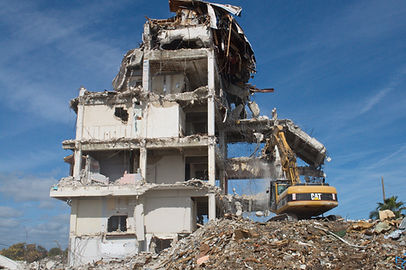
Trust doesn’t break cleanly. It shatters. It splinters. It gets into the little cracks of your mind, your body, your confidence, and your sense of safety.
Whether the betrayal was emotional, physical, financial, or a breach of honesty — the moment you discover it, the relationship you thought you had disappears.
And the question becomes: Can we rebuild this?
The short answer? Yes. But not with time alone. Not with promises alone. Not by “moving on” or pretending the wound isn’t there.
Rebuilding trust is an active process; one that requires courage, communication, transparency, and a willingness to face uncomfortable truths on both sides.
Let’s walk through it.
First: You’re Not Weak for Staying
Let’s get this out of the way immediately: Choosing to stay doesn’t mean you lack self-respect. It doesn’t mean you’re desperate. It doesn’t mean the betrayal was “okay.”
It means you’re considering the entirety of your relationship; the history, the connection, the family, the commitment, the potential — not just the moment that broke it.
Staying can be a courageous choice. Leaving can be a courageous choice. The courage is in choosing consciously, not reactively.
Betrayal Breaks More Than Trust — It Breaks Safety
There's good reason in his 14th century poem Dante portrayed betrayal as the worst sin, punished in the deepest level of Hell. It's true that betrayal causes heartbreak. It's absolute agony. But that's not all.
Betrayal actually causes disorientation. It disrupts your sense of reality. It fractures your ability to trust your own judgment.
You begin to question:
“How did I not see this?”
“Was our relationship a lie?”
“Is anything real?”
“Can I trust myself again?”
The rebuild isn’t just about trusting your partner again. It’s about trusting yourself again.
Both are equally important.
What Rebuilding Trust Actually Requires
Trust isn’t restored through words. It’s restored through consistent behavior over time.
Here are the core pillars every couple must rebuild:
1. Transparency
This doesn’t mean surveillance or punishment. It means willingly removing secrecy.
Examples:
Clear communication about plans
Sharing passwords (if appropriate)
Open access to devices during the healing window
Proactive honesty instead of reactive honesty
A partner who wants to rebuild will offer transparency, not resist it.
2. Accountability
Betrayal doesn’t heal with defensiveness.
Your partner must be willing to:
Take responsibility without minimizing
Understand the impact of their actions
Listen without becoming the victim
Accept the consequences of rebuilding
Accountability means owning the wound they caused, even when it’s uncomfortable.
3. Consistency
Trust is rebuilt through repetition. Not big promises — small, reliable patterns:
Doing what they say they’ll do
Following through without being reminded
Showing up emotionally and practically
Making changes that align with commitment
Consistency is what re-teaches your nervous system, “We’re safe now.”
4. Emotional Safety
Betrayal often awakens deep fears — not just of the future, but of not being enough.
Both partners must learn to:
Communicate honestly
Express needs without escalation
Repair quickly after conflict
Listen to fears without becoming reactive
Safety is the soil trust grows from.
What YOU Need to Heal (Not Just the Relationship)
Rebuilding trust is not only about the person who betrayed you. It’s also about the work you must do internally to heal from the impact.
Here are the essential parts of your healing process:
1. Space to Feel Your Emotions
Shock, anger, sadness, numbness, confusion — these are normal.
What’s not healthy is suppressing them so the other person feels less guilty.
You get to have your full experience.
2. Clarifying What You Actually Need
Do you need:
Transparency?
Therapy?
Time?
Boundaries?
A break from certain relational habits?
Daily check-ins?
A written agreement?
You can’t rebuild trust without clarity.
3. Relearning Self-Trust
Betrayal can make you feel like you “failed” yourself. You didn’t.
But it did create self-doubt. Healing requires rebuilding confidence in your own perception, your intuition, and your ability to make strong decisions.
4. Permission to Change the Relationship Dynamic
You’re not going “back to normal.” You’re building something new.
A relationship that survives betrayal becomes a different relationship — not the old one patched up, but a reformed one built with new awareness.
Let that be allowed.
What Betrayal Teaches Us (Even Though We Don’t Want the Lesson)
Betrayal forces a reckoning. Not just within the relationship, but within yourself.
It asks questions like:
What boundaries haven’t I held?
Where have we drifted emotionally?
What have we both been avoiding?
What patterns existed before the betrayal?
What needs to change going forward?
This isn’t about blame. It’s about truth — the kind that recalibrates the entire foundation.
How to Know if Rebuilding Is Truly Possible
Healing is possible when BOTH partners are willing to:
tell the truth
feel the discomfort
show up consistently
do their individual work
rebuild emotional safety
own their contribution to the dynamic
move forward, not backward
If only one person is doing the work, the relationship becomes a treadmill: exhausting, repetitive, and going nowhere.
Rebuilding requires two people choosing the rebuild every single day.
You’re Not Weak — You’re Healing
If you’re working through betrayal and choosing to stay, you are doing some of the most courageous emotional work a person can do.
You are not naive. You are not desperate. You are not foolish.
You are someone who believes in potential, commitment, healing, and growth.
And you deserve a partner who does too.
Rebuilding trust is not about forgetting what happened. It’s about building a future that is stronger, clearer, safer, and more honest than anything that existed before.
Reflection Prompt
What part of you was most deeply impacted by the betrayal; your sense of safety, your identity, your confidence, or your ability to trust yourself?
Write about that part. That’s where your healing begins.


Comments